
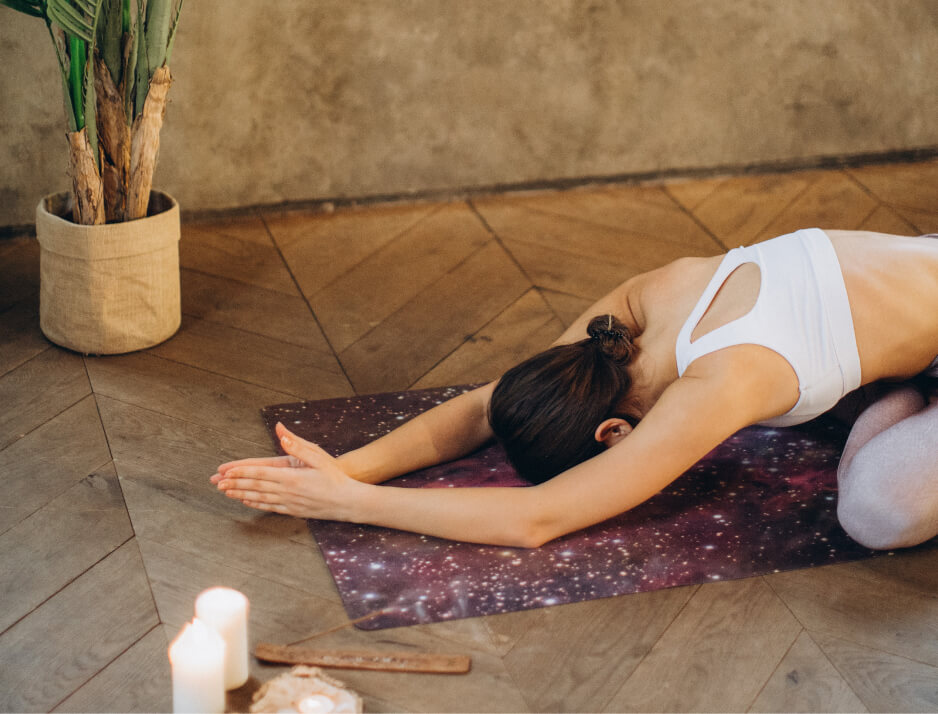
The Relationship Between Yoga and Meditation: An Integral Union
Yoga and meditation are often mentioned together as twin pillars of wellness, yet their relationship is frequently misunderstood. They are not simply complementary activities but are deeply intertwined practices that originate from the same ancient philosophical system, each serving as a pathway to the same ultimate goal: a state of unified awareness and inner peace. Understanding their relationship reveals why combining them is so powerful for holistic well-being.
At its core, the classical Yoga system, as outlined by the sage Patanjali, is an eight-limbed path (Ashtanga Yoga) designed to quiet the fluctuations of the mind. This path includes ethical precepts (yamas and niyamas), physical postures (asanas), breath control (pranayama), and culminates in the final three limbs: withdrawal of the senses (pratyahara), concentration (dharana), meditation (dhyana), and ecstatic union (samadhi). In this framework, the physical practice of asana is explicitly designed to prepare the body for seated meditation. By releasing physical tension, building strength for an upright posture, and cultivating bodily awareness, yoga removes physical distractions, allowing the mind to turn inward more easily.
Think of yoga as the journey to the meditation seat, and meditation as the profound exploration in that seat. The physical postures help to disperse restless energy and calm the nervous system, creating the internal stability required for sustained mental focus. Similarly, the breathwork (pranayama) practiced in yoga is a direct bridge to meditation; learning to observe and regulate the breath is a foundational meditation technique. A yoga session that transitions from movement to stillness, ending with Savasana (corpse pose) and seated awareness, perfectly illustrates this symbiotic flow.
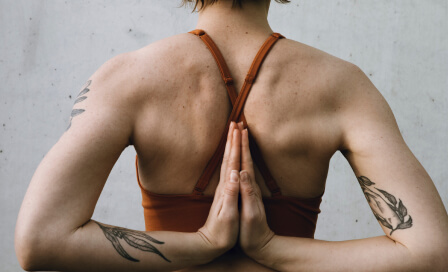
However, in the modern Western context, the relationship has often been inverted or separated. “Yoga” has become largely synonymous with the physical workout of asana, while “meditation” is practiced independently as a mental exercise. This separation, while still beneficial, misses the integral synergy of the original system. Practicing vigorous asana without a meditative component can remain purely an external, physical pursuit. Conversely, attempting to meditate with a body full of unaddressed tension and agitation can be an exercise in frustration.
Ultimately, yoga and meditation are best understood as a continuous spectrum of practice. Movement prepares for stillness, and stillness informs movement. A mindful yoga practice is a form of moving meditation, where the focus on breath and bodily sensation trains present-moment awareness. A dedicated sitting meditation practice, in turn, deepens the introspective and calming qualities you bring to your yoga mat. Together, they form a complete discipline: yoga cultivates the physical and energetic readiness, while meditation cultivates the mental clarity and depth. By integrating both, you honor the full tradition, creating a balanced practice that harmonizes body, breath, and mind, leading to greater overall equanimity and self-awareness.