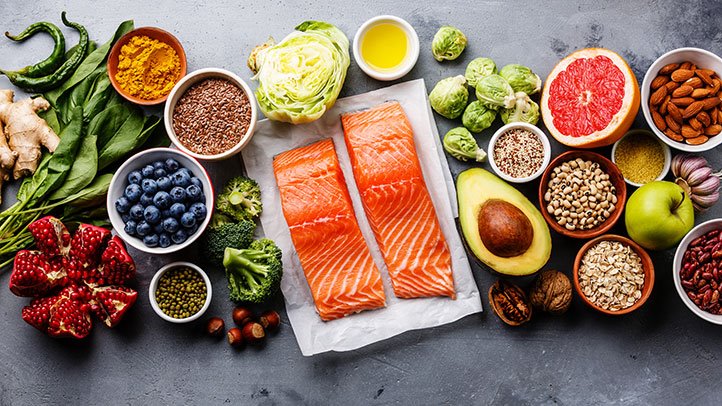
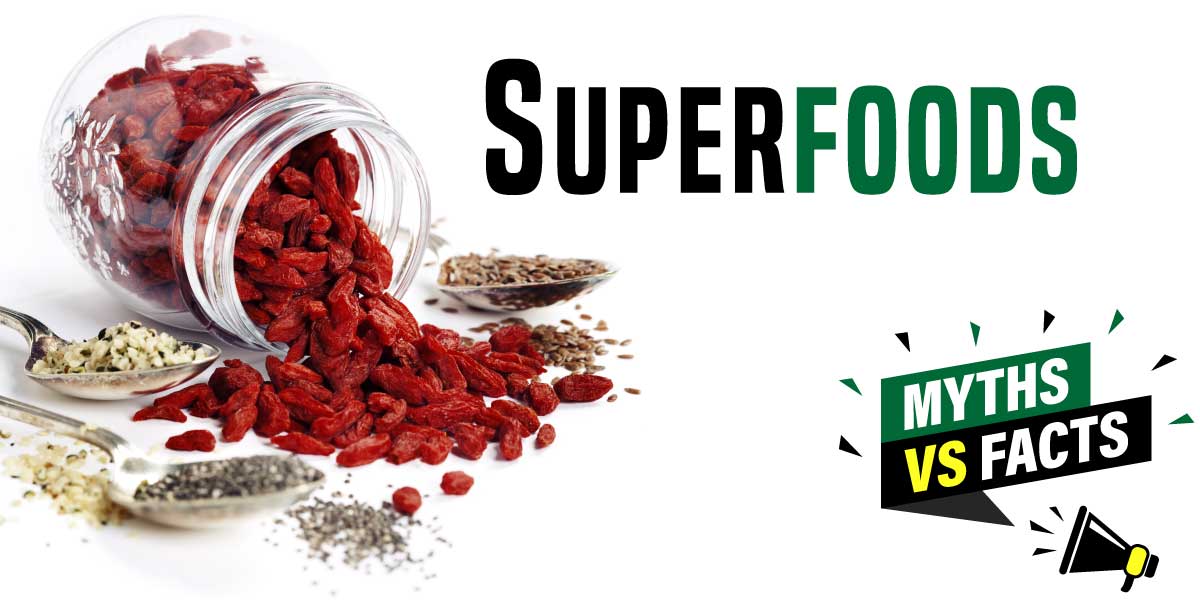
The term “superfood” represents more marketing genius than nutritional science, with no standardized definition or regulatory oversight. While some foods deserve recognition for exceptional nutrient density, the superfood label often inflates prices and creates unrealistic expectations about isolated foods’ ability to transform health.
Acai berries, frequently marketed as antioxidant powerhouses, contain beneficial polyphenols but cost 10-15 times more than equally nutritious blueberries or blackberries. Frozen berries provide similar benefits at a fraction of the cost, with the added advantage of year-round availability and preserved nutrients through flash-freezing at peak ripeness.
Quinoa, while nutritionally impressive with complete protein and high fiber, faces sustainability concerns as Western demand drives up prices for traditional consumers in South America. Local alternatives like barley, farro, or brown rice offer comparable whole grain benefits with lower environmental footprints and costs.
Kale’s rise to superfood status demonstrates how marketing can reshape eating habits. While certainly nutritious, kale differs little from other cruciferous vegetables like broccoli, cabbage, or collard greens in terms of vitamin, mineral, and antioxidant content. Variety within vegetable families ensures broader phytonutrient intake than focusing on single “super” varieties.
Chia seeds provide omega-3 fatty acids, fiber, and protein, but flaxseeds offer similar benefits at lower cost with additional lignans that may help balance hormones. Both require grinding for optimal nutrient absorption, negating any convenience advantage chia might claim.
Matcha, powdered green tea, contains antioxidants called catechins, but regular green tea offers the same compounds less expensively. The concentration difference doesn’t justify the 20-30 times price premium for most consumers, especially considering caffeine sensitivity issues with concentrated matcha.
Goji berries, imported from China, boast beta-carotene and vitamin C, but domestic alternatives like red bell peppers, carrots, and strawberries provide equivalent or superior nutrition without import costs or potential heavy metal contamination concerns sometimes associated with imported goji.
The fundamental problem with superfood marketing is its distraction from dietary patterns. No single food compensates for poor overall eating habits. Mediterranean, DASH, and plant-based diets succeed because of their emphasis on diverse whole foods rather than magic-bullet ingredients.
Instead of chasing expensive superfoods, invest in seasonal, local produce; diverse whole grains; various protein sources; and healthy fats. Frozen vegetables often surpass fresh in nutrient retention, and canned legumes (rinsed to reduce sodium) provide affordable protein and fiber. The true “super” approach involves consistent consumption of varied whole foods within a balanced dietary pattern, not reliance on marketed miracle foods.