
Strength training provides lifelong benefits regardless of age, with appropriate modifications ensuring safety and effectiveness across decades. From building bone density in youth to maintaining independence in older age, resistance exercise adapts to meet changing physiological needs while delivering consistent health advantages.
Adolescents (13-18 years) benefit from strength training that emphasizes proper form, controlled movements, and full range of motion over heavy loading. Bodyweight exercises, resistance bands, and light dumbbells develop coordination and establish neural pathways for movement patterns. Focus should remain on multilateral development rather than sport specialization, with adult supervision ensuring safety. Strength training during growth spurts may actually reduce injury risk in sports by strengthening supporting musculature.
Young adults (19-35) possess optimal hormone profiles for muscle building, allowing more aggressive progressive overload. Compound movements with barbells, dumbbells, and machines develop strength foundations. This period represents the ideal time to establish lifetime habits, as muscle mass gained now provides metabolic and functional reserves for later decades. Attention to balancing push-pull movements prevents postural imbalances common in desk-bound lifestyles.
Middle adulthood (36-65) introduces considerations for joint health and recovery. While muscle building capacity remains strong, tendon elasticity decreases and recovery times lengthen. Emphasizing tempo control (slower eccentric phases), incorporating more warm-up sets, and allowing 48-72 hours between training similar muscle groups prevents overuse injuries. This decade often sees the greatest divergence between biological and chronological age based on activity history, highlighting the importance of consistency.
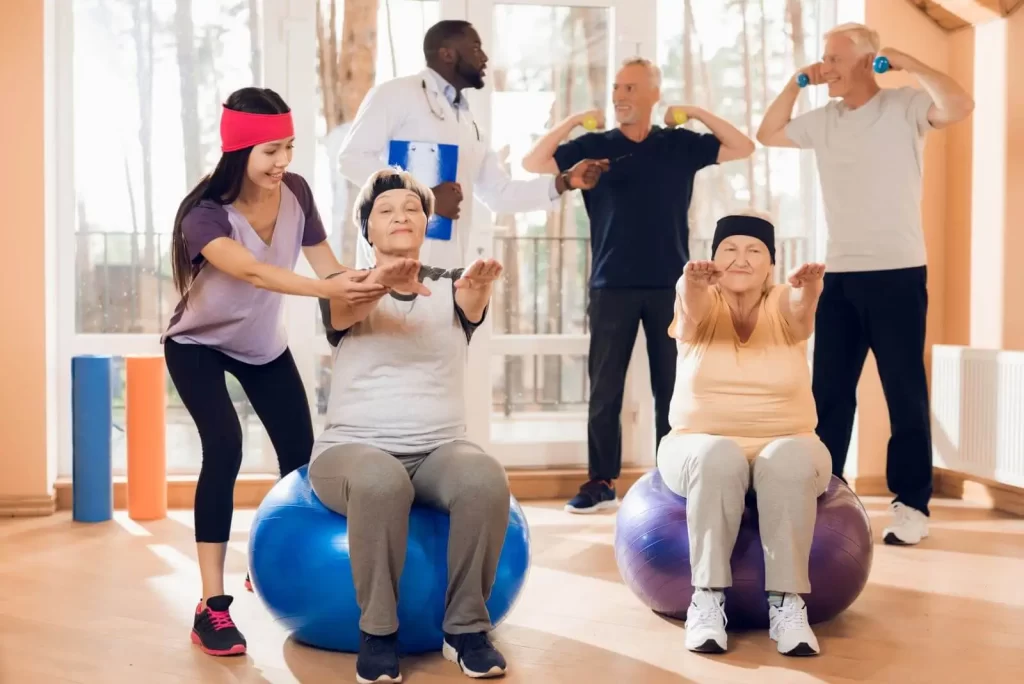
Older adults (65+) experience sarcopenia—age-related muscle loss—at approximately 1-2% annually, accelerating after 75. Strength training becomes not just beneficial but essential for maintaining independence. Research demonstrates that even nonagenarians can increase muscle mass with appropriate resistance training. Focus shifts from maximal strength to functional capacity: getting up from chairs, climbing stairs, and carrying groceries. Lower weights with higher repetitions (12-15 range) improve muscular endurance while minimizing injury risk.
Adaptive equipment accommodates physical limitations. Resistance bands provide variable tension without joint compression. Water-based training reduces impact while providing resistance in all directions. Chair exercises allow those with balance concerns to train safely. Gripping aids assist those with arthritis in holding weights.
Common modifications across ages include: substituting machines for free weights when stability is compromised, reducing range of motion during injury recovery, using tempo training (slower movements) to increase time under tension without heavier loads, and incorporating unilateral exercises to address strength imbalances.
The psychological benefits remain consistent across lifespan: improved body image, reduced anxiety and depression symptoms, enhanced cognitive function, and increased self-efficacy. Social aspects—training with partners or groups—provide additional motivation and accountability regardless of age.
By respecting age-related considerations while maintaining consistent training principles, strength exercise delivers lifelong rewards, proving that it’s never too early or too late to begin building a stronger body.