The myth that plant-based diets cannot support muscle building has been thoroughly debunked by modern nutritional science and athletic performance. With proper planning, plant proteins can provide all essential amino acids while offering additional benefits like reduced inflammation, better digestion, and improved cardiovascular health compared to animal sources.
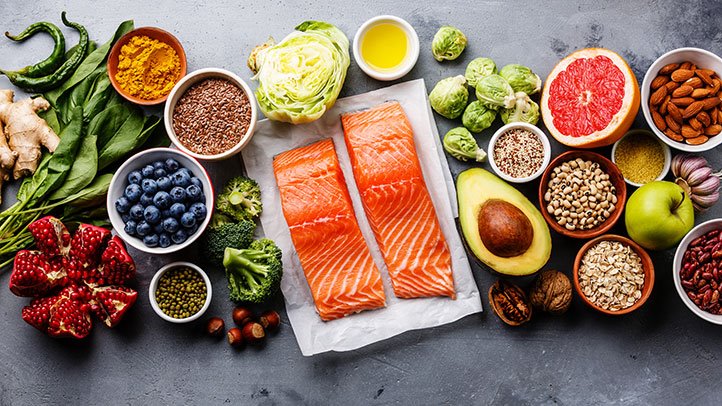
Complete plant proteins contain all nine essential amino acids necessary for muscle repair and growth. Soy products—tofu, tempeh, and edamame—lead this category, with tofu providing approximately 20 grams of protein per cup. Quinoa, buckwheat, hemp seeds, and chia seeds also offer complete protein profiles. For other plant sources, combining different foods throughout the day ensures adequate amino acid intake, such as rice with beans or hummus with whole grain pita.
Legumes form the foundation of plant-based protein nutrition. Lentils deliver 18 grams of protein per cooked cup along with substantial iron and fiber. Chickpeas provide 15 grams per cup and are incredibly versatile in dishes from salads to curries. Black beans, kidney beans, and pinto beans offer similar protein density while supporting gut health through resistant starch.
Nuts and seeds contribute both protein and healthy fats. Almonds, walnuts, and cashews provide 5-7 grams of protein per ounce, while pumpkin seeds offer 9 grams. Hemp seeds are particularly valuable, containing 10 grams of protein per ounce with optimal omega-3 to omega-6 ratios. Nut butters offer convenient protein sources for snacks and smoothies.
Modern meat alternatives have revolutionized plant-based nutrition. Products made from pea protein, mycoprotein (like Quorn), and seitan (wheat gluten) can match meat’s protein content while being lower in saturated fat. However, whole food sources generally provide better nutritional value than highly processed alternatives.
Timing and distribution matter for muscle synthesis. Consuming 20-30 grams of plant protein every 3-4 hours optimizes muscle protein synthesis. Post-workout meals should combine protein with carbohydrates to replenish glycogen stores. Vitamin C-rich foods enhance iron absorption from plant sources, important for oxygen transport during exercise.
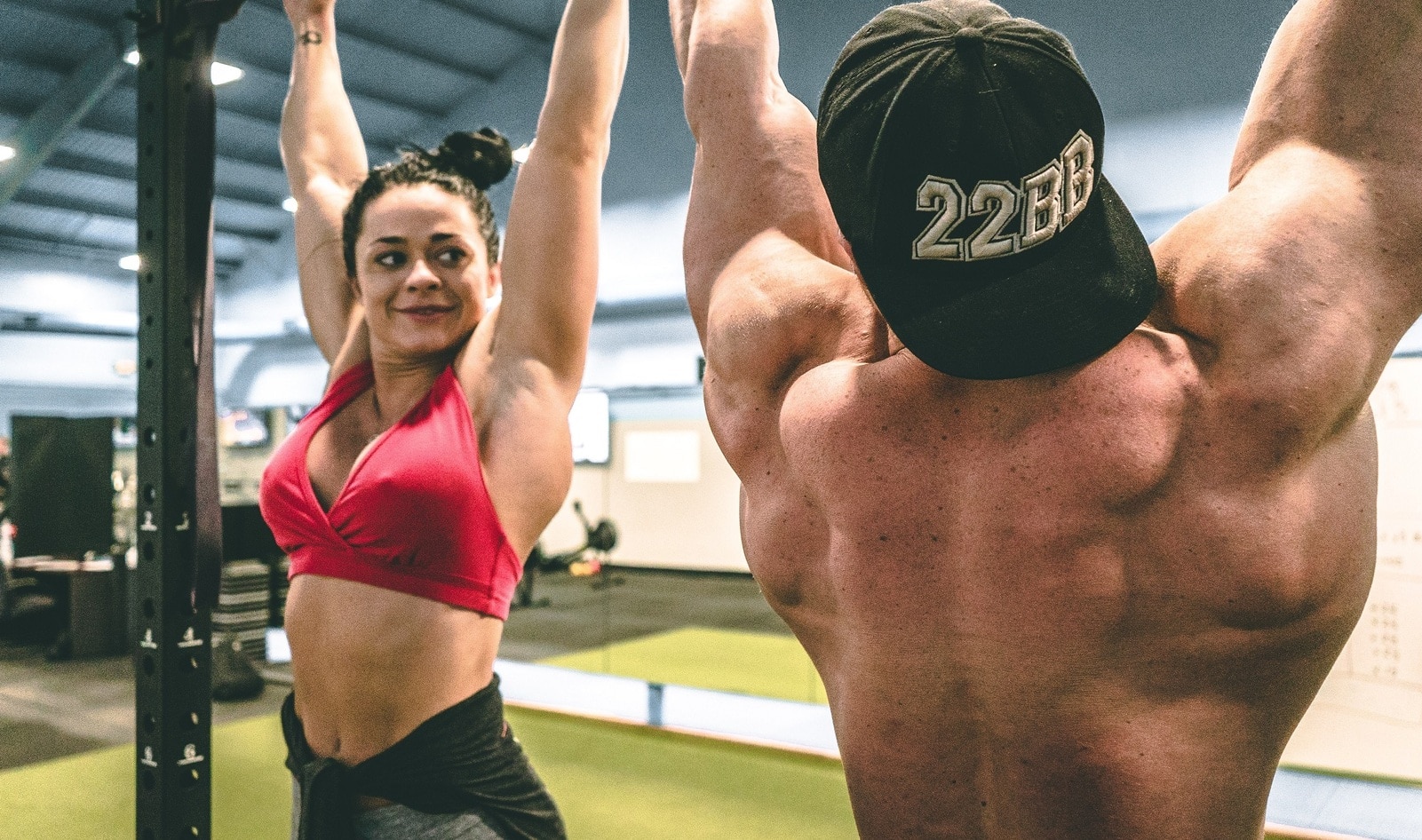
With numerous elite athletes now thriving on plant-based diets, the evidence is clear: strategic plant protein consumption supports muscle growth, enhances recovery, and promotes long-term health without compromising athletic performance.