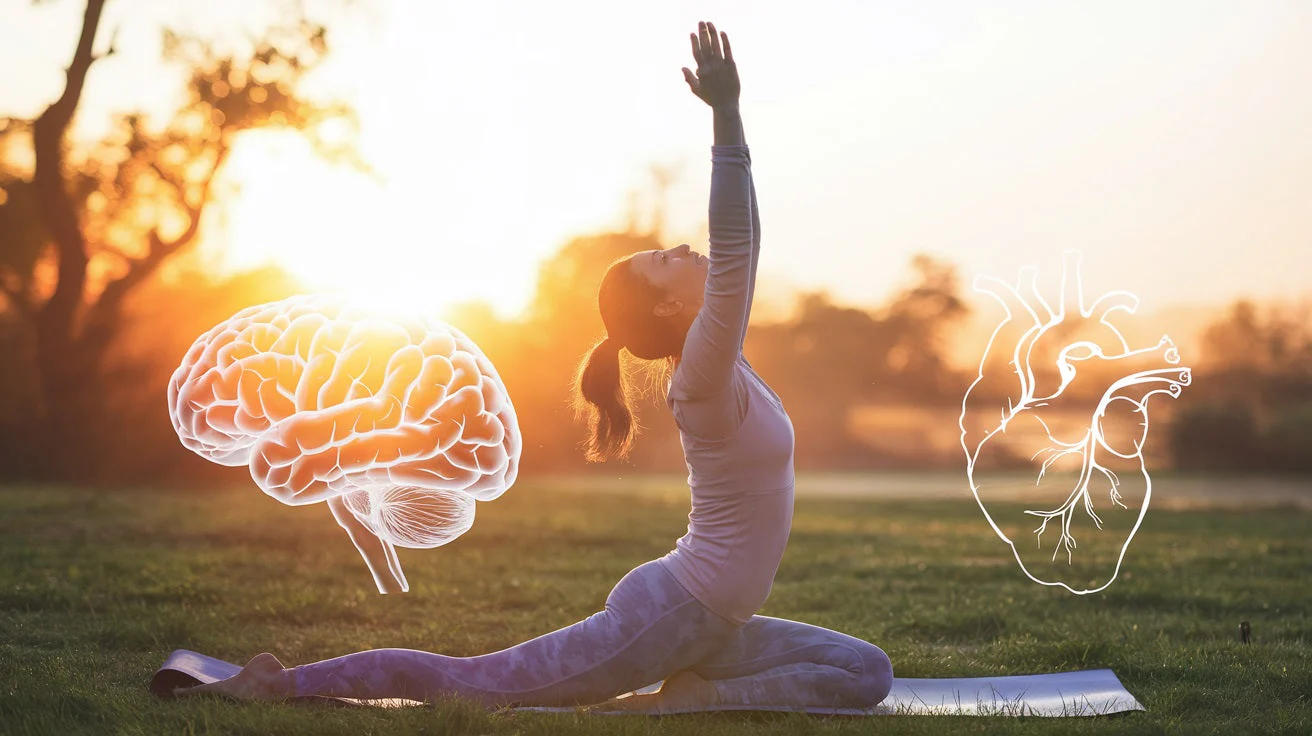
Yoga and Pilates represent complementary mind-body disciplines that develop strength, flexibility, and awareness through conscious movement. While distinct in origins and philosophies, both systems emphasize the connection between physical practice and mental state, creating holistic benefits beyond mere exercise.
Yoga, originating in ancient India, encompasses eight limbs including ethical guidelines, physical postures (asanas), breath control (pranayama), and meditation. Modern Western practice typically focuses on asanas, which range from gentle restorative poses to vigorous vinyasa flows. Physical benefits include improved flexibility, joint mobility, and balance, while psychological benefits stem from the meditative focus required to maintain challenging poses.
Pilates, developed by Joseph Pilates in early 20th century Germany, emphasizes core strength, spinal alignment, and controlled movement. Originally called “Contrology,” the method focuses on precision rather than repetition quantity, with exercises progressing from mat work to specialized equipment like the Reformer, Cadillac, and Wunda Chair. Pilates develops deep stabilizing muscles often neglected in conventional strength training.
Breath serves as the bridge between mind and body in both disciplines. Yoga utilizes various breathing techniques: Ujjayi (ocean breath) warms the body and focuses attention during flow; Nadi Shodhana (alternate nostril breathing) calms the nervous system. Pilates employs lateral thoracic breathing—expanding ribcage sideways while maintaining engaged abdominals—to oxygenate muscles without compromising core stability.
The core connection represents a fundamental similarity. Yoga’s bandhas (energy locks) and Pilates’ powerhouse both reference the deep abdominal and pelvic floor muscles that stabilize the spine. Engaging these muscles before movement protects against injury and increases movement efficiency. This internal focus cultivates body awareness that translates to improved posture and movement patterns in daily life.
Equipment use differs between disciplines. Yoga primarily requires only a mat, though props like blocks, straps, and bolsters accommodate various abilities. Pilates utilizes spring-based equipment that provides both resistance and assistance, allowing precise resistance curves matched to natural movement patterns. Mat Pilates offers accessibility, while equipment work provides greater resistance variety.
Mindfulness integration separates these practices from conventional exercise. Rather than counting repetitions, attention focuses on movement quality, breath synchronization, and bodily sensations. This present-moment awareness creates neural pathways that enhance proprioception—the body’s sense of its position in space—reducing fall risk and improving coordination.
Therapeutic applications address specific concerns. Restorative yoga uses props to support passive stretching for stress reduction and nervous system calming. Clinical Pilates adapts exercises for rehabilitation from back pain, joint replacements, or pregnancy. Both disciplines offer modifications for virtually any physical limitation, making them accessible across age and ability spectrums.
Complementing other fitness forms, yoga improves flexibility that enhances weightlifting range of motion, while Pilates develops core stability that improves running efficiency and protects against injury. Incorporating 1-2 mind-body sessions weekly creates balance in fitness programming, addressing the often-neglected flexibility and mindfulness components of holistic health.
By cultivating awareness alongside physical capability, yoga and Pilates offer more than exercise—they provide tools for managing stress, improving body awareness, and developing resilience that extends beyond the mat into everyday life.