
How One Woman Turned Everyday Health Habits Into a Smarter, Energy-Efficient Home
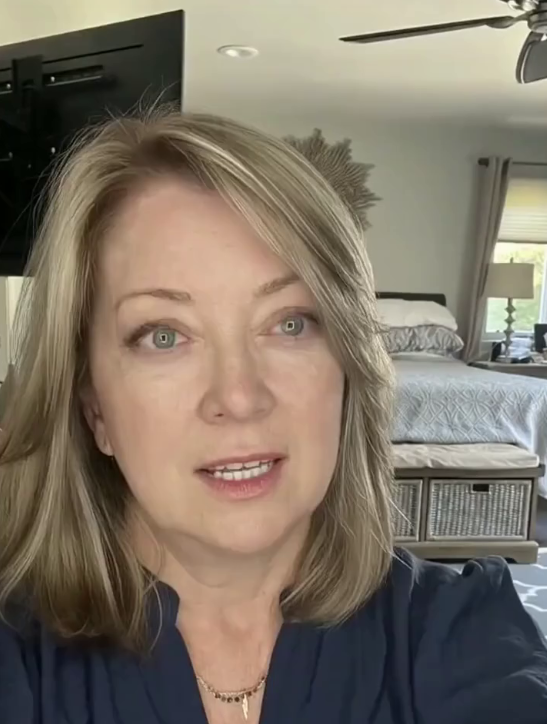
In a quiet, sunlit home that feels both calm and intentional, one woman has built more than just a comfortable living space—she’s created a lifestyle centered on wellness, efficiency, and long-term sustainability. Her story isn’t about extreme transformations or complicated systems. Instead, it’s about simple, consistent choices that improve personal health while quietly reducing energy consumption and household costs.
At first glance, her home looks like many others—neatly made bed, soft natural lighting, neutral tones, and a sense of order. But behind that peaceful aesthetic lies a carefully designed environment that supports both physical well-being and energy efficiency.
The Connection Between Health and Home Energy
Most people don’t immediately connect personal health with energy use, but she saw the link early. “Your environment either supports your health or works against it,” she explains. “And the same choices that make your home healthier often make it more efficient.”
Take lighting, for example. She replaced harsh overhead bulbs with warm, energy-efficient LED lighting and maximized natural daylight throughout the day. The result? Reduced eye strain, improved mood, and lower electricity bills.
She also pays attention to air quality—one of the most overlooked factors in home health. By using high-quality air filters, keeping windows open when possible, and avoiding synthetic fragrances, she created a cleaner breathing environment. At the same time, this reduces strain on HVAC systems, improving efficiency and lowering energy usage.
Smarter Temperature Control = Better Sleep + Lower Bills
One of her biggest breakthroughs came from rethinking how she managed indoor temperatures. Instead of blasting air conditioning all day, she focused on strategic cooling.
She uses:
- Programmable thermostats
- Ceiling fans to circulate air
- Blackout curtains to block heat during peak hours
These small adjustments keep the home cooler without overworking the system. More importantly, they support deeper, more consistent sleep—something she considers non-negotiable for long-term health.
“Sleep is where everything resets—your hormones, your energy, your mental clarity,” she says. “If your home is too hot or too cold, you’re constantly disrupting that process.”
By keeping nighttime temperatures slightly cooler and consistent, she improved both her sleep quality and energy efficiency.
Decluttering Your Space, Decluttering Your Mind
Another surprising factor in her system is organization. While it may seem unrelated, reducing clutter has a measurable impact on both stress levels and energy consumption.
A well-organized home:
- Requires less artificial lighting (because spaces are more open)
- Improves airflow
- Reduces the need for excess appliances or duplicates
She adopted a minimalist approach—not extreme, but intentional. Everything in her home serves a purpose.
“Clutter creates mental noise,” she explains. “And when your mind is overwhelmed, your habits suffer—whether that’s cooking healthy meals or remembering to turn off unused devices.”
This clarity naturally leads to better daily decisions, including energy-saving habits.
Kitchen Habits That Improve Health and Efficiency
Her kitchen is another area where health and energy efficiency intersect.
Instead of relying heavily on processed foods or constant appliance use, she prioritizes:
- Fresh, whole ingredients
- Batch cooking to reduce repeated energy use
- Energy-efficient appliances
Cooking multiple meals at once not only saves time but also reduces the need to repeatedly heat ovens or stovetops throughout the week. It’s a simple shift with a noticeable impact on both energy bills and nutrition.
She also avoids excessive refrigeration cycles by keeping her fridge organized and not overloading it—something many people overlook.
Water Usage and Daily Wellness
Water is another area where she found balance between health and conservation.
She installed:
- Low-flow showerheads
- Efficient faucets
- A simple water filtration system
This encourages better hydration while reducing unnecessary water waste. Shorter, more mindful showers also contribute to lower energy usage since less hot water is required.
“Hydration is huge for energy, skin, and overall health,” she says. “But you don’t need to waste water to stay healthy—you just need to be intentional.”
Movement, Natural Light, and Energy Awareness
Her daily routine includes movement—often done at home. Whether it’s light stretching, yoga, or short workouts, she positions these activities near natural light sources.
This does two things:
- Reduces the need for artificial lighting
- Boosts mood and vitamin D exposure
Natural light plays a powerful role in regulating circadian rhythms, improving sleep, and increasing daytime energy levels.
By aligning her routine with daylight, she naturally consumes less electricity while improving her physical and mental health.
Small Habits, Big Results
What makes her approach so effective isn’t any single change—it’s the combination of small, consistent habits:
- Turning off unused lights
- Unplugging devices when not in use
- Using natural light whenever possible
- Keeping a consistent daily routine
Over time, these behaviors compound into significant savings—both financially and physically.
A Lifestyle, Not a System
Perhaps the most important takeaway from her story is that this isn’t about perfection. It’s about awareness.
“You don’t need to overhaul your entire house overnight,” she says. “Just start paying attention to how your environment makes you feel—and where you might be wasting energy without realizing it.”
By aligning her home with her health goals, she created a space that works with her, not against her.
And in doing so, she discovered something powerful: when your home supports your well-being, everything else becomes easier—your habits, your energy, and even your expenses.
Click below to check out the health conscious ceiling fans available in your area 👇