From Small-Town Farm to Organic Future: How Two Sisters Transformed Their Land — and Their Lives
In a quiet rural town surrounded by rolling fields and gravel roads, two sisters made a decision that would change not only their farm — but their entire way of life.
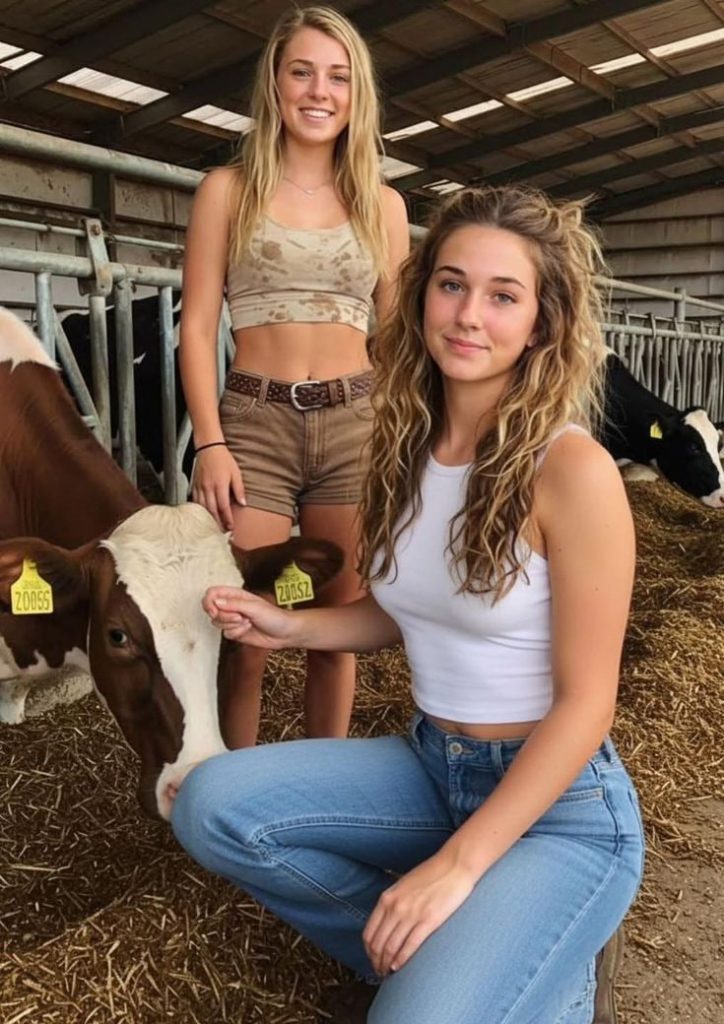
Emma and Lily Carter grew up on their family’s modest vegetable farm, where early mornings, dirt-covered hands, and long harvest days were simply part of growing up. For decades, their parents had followed conventional farming practices. Like many small farmers across America, they relied on synthetic fertilizers and chemical pesticides to protect crops and maintain yields.
At first, it seemed like the only practical way to survive in a competitive agricultural market.
But over time, the sisters began to notice something troubling.
Their soil wasn’t as rich as it once had been. Each season required more inputs to produce the same output. The once-dark, crumbly earth began to feel compact and lifeless. At the same time, both sisters became increasingly aware of how food quality impacts long-term health. They were reading studies, listening to nutrition experts, and watching the growing consumer demand for cleaner, chemical-free produce.
The turning point came during a winter planning season around their kitchen table.
They asked themselves a simple but powerful question:
What if we farmed in a way that restored the land instead of depleting it?
The Shift to Organic Farming
Transitioning to organic vegetable production wasn’t an overnight decision. It required research, patience, and a willingness to endure short-term uncertainty for long-term benefit.
They began by eliminating synthetic pesticides and herbicides. Instead of chemical weed control, they introduced cover crops and manual cultivation techniques. Instead of artificial fertilizers, they invested in compost systems, manure from neighboring livestock farms, and crop rotation strategies designed to naturally replenish soil nutrients.
Crop rotation became one of their most powerful tools. By alternating vegetables like tomatoes, leafy greens, squash, and legumes, they improved soil structure and reduced pest cycles. They also planted pollinator-friendly flowers around their fields to encourage beneficial insects.
The first year was challenging.
Yields dipped slightly as the soil ecosystem adjusted. Weeds demanded more attention. There were moments of doubt.
But then something remarkable happened.
By year two, the soil began to transform. Earthworms returned in abundance. The soil held moisture longer during dry spells. Plants appeared stronger and more resilient. Pest outbreaks decreased as biodiversity increased.
The farm felt alive again.
A Healthier Lifestyle Beyond the Fields
The change wasn’t limited to crops. It reshaped the sisters’ personal health and daily habits as well.
Working without chemical sprays reduced their exposure to potentially harmful substances. They began eating more of their own fresh produce — vegetables harvested at peak ripeness and consumed within hours. Their diets naturally shifted toward whole, plant-based meals centered around what they grew.
They noticed subtle but meaningful differences: improved energy levels, fewer seasonal illnesses, and a stronger sense of connection to the food they consumed.
“It feels different when you grow food you completely trust,” Emma explained. “There’s peace of mind knowing exactly what went into it.”
Lily added, “It’s not just about avoiding chemicals. It’s about building something sustainable for the future.”
Community Impact and Growing Demand
Word spread quickly through their small town.
Local customers began asking specifically for their organic vegetables. Farmers markets became an opportunity not just to sell produce, but to educate neighbors about soil health, sustainable practices, and the importance of nutrient-dense food.
They shared transparent growing practices on social media, posted behind-the-scenes videos of composting and planting days, and invited families to visit the farm.
The response exceeded their expectations.
Parents appreciated having access to cleaner food for their children. Restaurants reached out to source seasonal organic produce. Their customer base grew steadily — not because of aggressive marketing, but because of trust.
The sisters realized they weren’t just growing vegetables. They were cultivating relationships.
Financial Sustainability and Smart Planning
One of the biggest misconceptions they encountered was that organic farming couldn’t be profitable.
While the transition period required careful budgeting, their long-term economics improved. Reduced dependency on expensive synthetic inputs lowered overhead costs. Premium pricing for certified organic vegetables increased margins. Direct-to-consumer sales strengthened profitability compared to wholesale distribution.
They diversified revenue streams by offering seasonal vegetable boxes, hosting farm tours, and selling seedlings in the spring.
Most importantly, they focused on quality over sheer volume.
Instead of competing with industrial-scale farms, they leaned into their strengths: transparency, freshness, and authenticity.
Regenerating the Land for the Next Generation
Perhaps the most meaningful shift was philosophical.
Their parents had always emphasized leaving the farm better than they found it. For Emma and Lily, organic farming became a way to honor that legacy.
Healthy soil stores carbon, retains water, and supports biodiversity. By reducing chemical runoff, they protected nearby streams. By planting diverse crops, they strengthened the resilience of their ecosystem.
They began exploring regenerative techniques — reduced tillage, mulching, and expanded cover cropping — to further enhance soil biology.
The farm no longer felt like a production facility.
It felt like a living system.
Lessons from the Journey
Looking back, the sisters often say the hardest part was simply starting.
Transitioning to organic vegetable growth required courage, patience, and education. It demanded long-term thinking in a world that often rewards short-term output.
But the rewards have been profound:
- Healthier soil
- Healthier food
- Healthier bodies
- Stronger community relationships
- Greater environmental responsibility
They didn’t just switch farming methods.
They redesigned their lifestyle around sustainability and well-being.
Today, when customers bite into one of their sun-ripened tomatoes or crisp organic cucumbers, they’re tasting more than fresh produce. They’re tasting intention, stewardship, and a commitment to better living.
From a small-town farm to a thriving organic operation, two sisters proved that meaningful change begins with a simple decision: to grow not just crops — but a healthier future.
Ready to Grow Your Own Organic Garden? 🌱
Bring the same farm-fresh quality to your backyard. Start your organic journey today with our carefully selected, non-GMO, chemical-free vegetable seeds — trusted, tested, and grown with sustainability in mind.
Whether you’re planting a small home garden or expanding your farm, these seeds are chosen for strong germination, rich flavor, and resilient growth.
👇 Click Below
https://trueleafmarket.com/products/5-part-salad-sprouting-seed-mix?variant=38623837064
to order your organic vegetable seeds now and start growing healthier food for you and your family.
Plant better. Eat better. Live better.