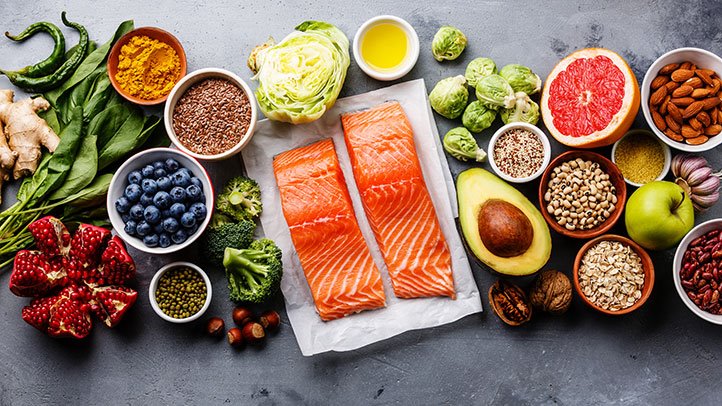

The term “superfood” is more of a marketing buzzword than a scientific category, but it powerfully captures foods that are exceptionally nutrient-dense. No single food holds the key to perfect health, but strategically incorporating certain nutritional powerhouses can significantly elevate a balanced diet. These “superfoods” are packed with vitamins, minerals, antioxidants, and fiber, offering outsized benefits for overall wellness. Here are five scientifically-backed superstars to seamlessly integrate into your meals, boosting flavor, nutrition, and vitality.
1. Berries: Nature’s Antioxidant Jewels
Whether you choose blueberries, strawberries, raspberries, or blackberries, these vibrant fruits are low in calories but astronomically high in nutrients. They are loaded with antioxidants, particularly anthocyanins, which give them their rich colors and combat oxidative stress and inflammation in the body. Regular consumption is linked to improved heart health, better blood sugar regulation, and enhanced cognitive function. Their high fiber content also promotes digestive health. Enjoy them fresh or frozen in oatmeal, yogurt, smoothies, or simply by the handful as a sweet, satisfying snack.
2. Fatty Fish: The Omega-3 Powerhouse
Salmon, mackerel, sardines, and anchovies are premier sources of long-chain omega-3 fatty acids, specifically EPA and DHA. These essential fats are crucial for brain function, reducing systemic inflammation, and supporting heart health by lowering triglycerides and blood pressure. Fatty fish is also an excellent source of high-quality protein and vitamin D. Aim to include a 3-4 ounce serving at least twice a week. For those who don’t eat fish, algal oil is a plant-based alternative for DHA.


3. Leafy Greens: The Foundation of Nutrient Density
Dark, leafy greens like kale, spinach, Swiss chard, and collard greens are foundational to a healthy diet. They are remarkably rich in vitamins A, C, K, and folate, along with minerals like iron and calcium. They also contain a wealth of plant compounds like lutein, which supports eye health. Their high fiber and water content promote satiety and digestive health, while their low calorie count makes them a dieter’s best friend. Incorporate them into salads, smoothies (spinach blends seamlessly), stir-fries, or as a sautéed side dish.
4. Nuts and Seeds: Compact Nutrition in Every Bite
A small serving of nuts and seeds delivers a mighty punch of healthy fats, plant-based protein, and fiber. Almonds provide vitamin E and magnesium, walnuts are uniquely high in plant-based omega-3s, and chia and flaxseeds are fantastic sources of soluble fiber and lignans. This nutrient profile supports heart health, stabilizes energy levels, and aids in weight management by promoting feelings of fullness. Remember, they are calorie-dense, so a small handful (about 1 ounce) is a perfect portion. Sprinkle them on salads, into yogurt, or enjoy them as a portable snack.
5. Fermented Foods: Cultivating Gut Health
While not always in the classic “superfood” spotlight, fermented foods like plain yogurt, kefir, kimchi, sauerkraut, and kombucha are superstars for gut health. They are rich in probiotics—live beneficial bacteria that help balance the gut microbiome. A healthy gut is intrinsically linked to improved digestion, a stronger immune system, better nutrient absorption, and even positive effects on mood and mental health through the gut-brain axis. Choose options with live, active cultures and low added sugar. Enjoy a daily serving to nourish your internal ecosystem.
Integrating these five superfoods is not about radical change but about thoughtful addition. They work best within the context of a varied, whole-foods diet rich in vegetables, fruits, whole grains, and lean proteins. By consistently including these nutritional powerhouses, you provide your body with a profound boost of essential compounds, helping to build resilience, enhance energy, and support long-term health from the inside out.