
Chronic pain is more than a symptom; it’s a complex condition that can impact every facet of life. However, living with persistent pain does not mean you must surrender to it. By adopting a proactive, multi-faceted approach, you can reclaim your well-being and find a fulfilling path forward. Here are ten practical strategies to help you take control and cultivate a life rich in purpose and joy, despite the pain.
1. Become an Expert on Your Own Pain
Knowledge is your first line of defense. Work with your healthcare providers to understand the specific nature of your pain. Keep a detailed pain journal, noting triggers, intensity levels (on a scale of 1-10), activities, and mood. This data is invaluable for identifying patterns and informing effective treatment plans, moving you from a passive patient to an active manager of your health.
2. Pace Yourself Relentlessly
Boom-and-bust cycles are a common trap. On “good days,” overexertion often leads to debilitating flare-ups. The key is activity pacing: break tasks into smaller, manageable segments with regular rest breaks before the pain escalates. Consistency with moderate activity is far more sustainable than erratic bursts, helping to build tolerance and function over time.
3. Mind Your Mind: Cognitive Behavioral Techniques
Chronic pain is deeply intertwined with thoughts and emotions. Techniques from Cognitive Behavioral Therapy (CBT) can help you reframe negative thought patterns, manage catastrophic thinking, and develop healthier responses to pain. Mindfulness and meditation practices are also powerful tools for observing sensations without judgment, reducing stress, and lowering the overall pain burden.
4. Move Strategically with Gentle Exercise
While rest is sometimes necessary, prolonged inactivity weakens muscles and can worsen pain. Collaborate with a physical therapist to develop a safe, tailored routine. Practices like swimming, tai chi, yoga, and gentle walking can improve strength, flexibility, circulation, and release endorphins, the body’s natural painkillers.
5. Prioritize Sleep Hygiene
Pain disrupts sleep, and poor sleep exacerbates pain sensitivity—a vicious cycle. Establish a strict sleep routine: go to bed and wake up at the same time daily, create a cool and dark sleep environment, limit screens before bed, and avoid caffeine in the afternoon. Quality rest is foundational for pain management and resilience.


6. Nourish Your Body Anti-Inflammatorily
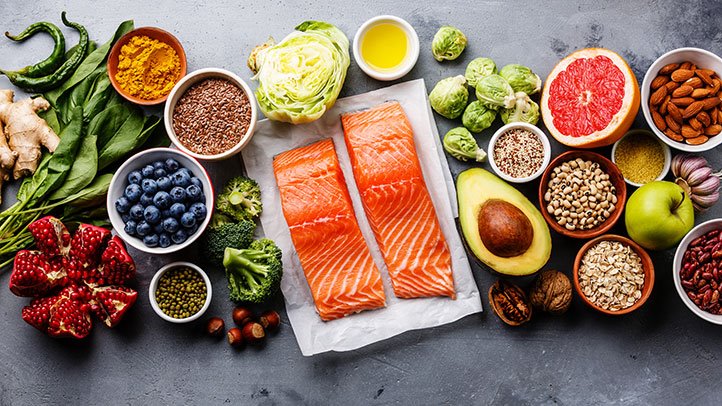
Diet can influence inflammation. While not a cure, an anti-inflammatory diet rich in fruits, vegetables, whole grains, lean proteins (like fish), nuts, and healthy fats (like olive oil) may help reduce symptoms. Stay well-hydrated and limit processed foods, excess sugar, and trans fats, which can promote inflammation.
7. Build Your Support System
Isolation magnifies pain. Communicate openly with trusted family and friends about your experience. Consider joining a chronic pain support group, either in-person or online. Connecting with others who truly understand provides emotional relief, reduces feelings of loneliness, and is a source of practical tips and encouragement.
8. Explore Integrative Therapies
Complementary approaches can be valuable additions to conventional medicine. Acupuncture, massage therapy, and biofeedback have shown efficacy for many in managing pain levels. Always discuss these options with your doctor to ensure they are safe and appropriate for your condition.
9. Set Meaningful, Flexible Goals
Chronic pain may require adjusting your expectations, but it doesn’t mean abandoning your aspirations. Shift your focus from what you “used to do” to what you can do now. Set SMART (Specific, Measurable, Achievable, Relevant, Time-bound) goals that provide a sense of accomplishment and purpose, whether it’s learning a new hobby, socializing for an hour, or completing a small project.
10. Practice Self-Compassion
This may be the most important tip. Beating yourself up on difficult days only adds emotional suffering. Acknowledge that your pain is real and that some days will be harder than others. Treat yourself with the same kindness you would offer a dear friend. Celebrate small victories, and remember that managing chronic pain is a courageous, ongoing journey, not a single battle to be won.
Taking control is not about achieving a pain-free life, but about expanding your life around the pain. By integrating these strategies, you empower yourself to move from merely surviving to actively thriving, rediscovering joy and engagement on your own terms.