
Recovery represents the essential counterpart to training stimulus, the period during which the body repairs, adapts, and strengthens. Neglecting recovery undermines exercise benefits, increases injury risk, and leads to performance plateaus. Strategic recovery practices accelerate progress more effectively than simply training harder.
Sleep stands as the most powerful recovery tool available. During deep sleep stages, growth hormone secretion peaks, facilitating tissue repair and muscle growth. Sleep deprivation elevates cortisol (stress hormone), impairs glycogen restoration, and reduces human growth hormone production by up to 70%. Aim for 7-9 hours of quality sleep, with consistency in bedtimes creating circadian rhythm optimization.
Active recovery involves low-intensity movement that promotes circulation without imposing training stress. Walking, cycling at conversational pace, swimming, or yoga increase blood flow to deliver nutrients to muscles while removing metabolic waste products. The “flush” effect reduces soreness and accelerates repair. Twenty to thirty minutes of activity at 30-50% maximum heart rate optimizes these benefits.
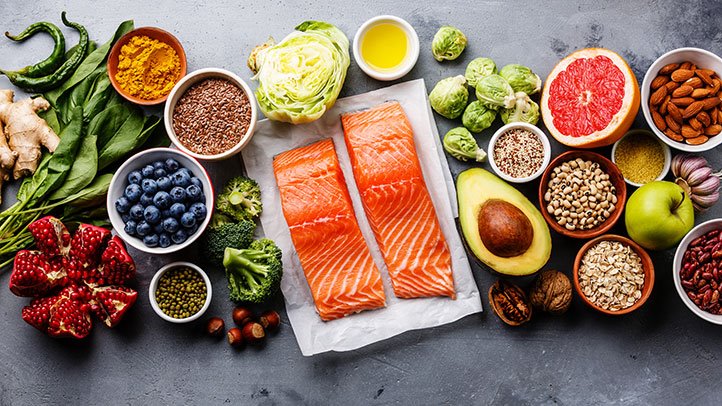
Nutrition timing significantly influences recovery rates. Consuming protein (20-30 grams) within 45 minutes post-exercise maximizes muscle protein synthesis. Fast-digesting whey or plant proteins combined with carbohydrates (in a 1:3 or 1:4 protein:carb ratio) replenish glycogen stores most efficiently. Tart cherry juice contains anti-inflammatory compounds that may reduce muscle soreness, while omega-3 fatty acids from fish or flaxseeds combat exercise-induced inflammation.
Hydration recovery extends beyond water consumption. Electrolyte replacement, particularly sodium and potassium lost through sweat, restores fluid balance more effectively than plain water. Weighing before and after intense exercise reveals fluid losses (1 pound ≈ 16 ounces fluid), guiding replenishment needs.
Compression garments, once considered gimmicky, now have research support. Graduated compression (tightest at extremities) improves venous return, potentially reducing delayed onset muscle soreness (DOMS) by 20-30%. Wearing compression gear for 24 hours post-exercise appears most beneficial for recovery enhancement.
Cold therapy, including ice baths (50-59°F for 10-15 minutes) or contrast therapy (alternating hot and cold), reduces inflammation and perceived soreness. However, regular use may blunt training adaptations by reducing the inflammatory signals that stimulate growth. Reserve cold therapy for peak soreness periods rather than after every session.
Foam rolling and self-myofascial release break up adhesions in muscle fascia, improving mobility and reducing stiffness. Rolling major muscle groups for 30-60 seconds each, focusing on tender areas without excessive pain, enhances range of motion and may decrease DOMS severity by 15-20%.
Psychological recovery matters equally. Chronic training stress without mental breaks leads to burnout regardless of physical readiness. Scheduled deload weeks (reducing volume or intensity by 40-60% every 4-8 weeks), meditation, and engaging in non-exercise hobbies provide necessary mental resets.
By treating recovery with the same intentionality as training, athletes and fitness enthusiasts alike can achieve greater results with less injury risk, transforming rest from passive downtime into active performance enhancement.