Functional fitness emphasizes movement patterns that translate directly to daily activities, preparing the body for real-world demands rather than isolated muscle development. This approach improves strength, balance, coordination, and mobility in ways that enhance quality of life and reduce injury risk during ordinary tasks.
At its core, functional training focuses on multi-joint exercises that engage multiple muscle groups simultaneously, mimicking how the body naturally moves. Squats, for example, replicate standing up from chairs, lifting objects from the ground, or gardening. Unlike leg extension machines that isolate quadriceps, squats engage glutes, hamstrings, core stabilizers, and even upper back muscles for posture maintenance.
Push-pull movements prepare for pushing doors, lifting children, or moving furniture. Push-ups (or modified versions) develop chest, shoulder, and tricep strength while engaging the core for stability. Rowing motions with resistance bands or dumbbells strengthen back muscles crucial for posture and preventing the rounded shoulders common in desk-bound lifestyles.
Carrying exercises build grip strength and core stability needed for groceries, luggage, or moving boxes. Farmer’s walks (carrying weights at your sides) and suitcase carries (weight on one side) challenge the body to resist lateral bending, developing oblique strength that protects the spine during asymmetric loads.
Rotational movements, often neglected in traditional gym routines, prepare for twisting motions like turning to reach seatbelts, swinging golf clubs, or shoveling snow. Cable rotations, medicine ball throws, and torso twists with resistance bands develop the oblique and transverse abdominal muscles that stabilize the spine during rotation.
Balance training forms a crucial component of functional fitness, especially as we age. Single-leg exercises like lunges, step-ups, and single-leg deadlifts improve proprioception and prevent falls. Balance becomes particularly important when navigating uneven surfaces, stairs, or crowded spaces.
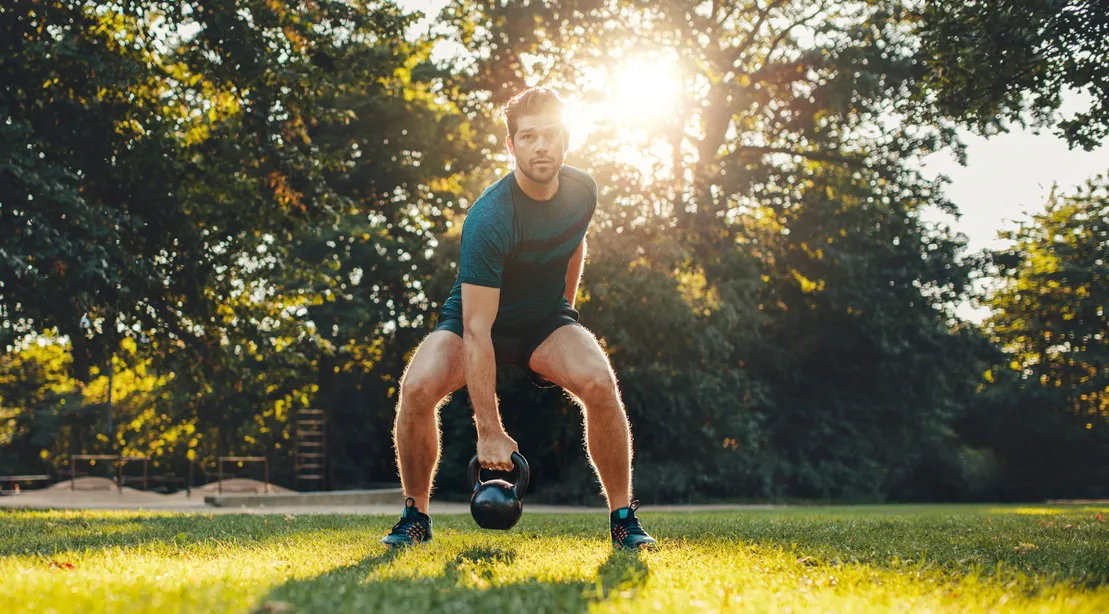
Equipment choices favor versatility over specialization. Resistance bands, kettlebells, medicine balls, and suspension trainers (like TRX) allow natural movement patterns with adjustable resistance. Bodyweight exercises remain fundamental, requiring no equipment while developing control and awareness.
Functional fitness programming should address individual needs and lifestyles. Office workers benefit from exercises that counter prolonged sitting: hip flexor stretches, thoracic mobility work, and postural strengthening. Parents need lifting mechanics for children and stamina for active play. Older adults require balance work and strength for independent living.
Progressions maintain challenge as ability improves. Adding instability (standing on cushions during shoulder presses), increasing complexity (combining squat with overhead press), or incorporating timing (completing tasks within intervals) prevents plateaus while maintaining real-world relevance.
By training movements rather than muscles, functional fitness creates resilient bodies capable of handling life’s physical demands safely and efficiently, proving that practical strength matters more than aesthetic metrics in daily living.