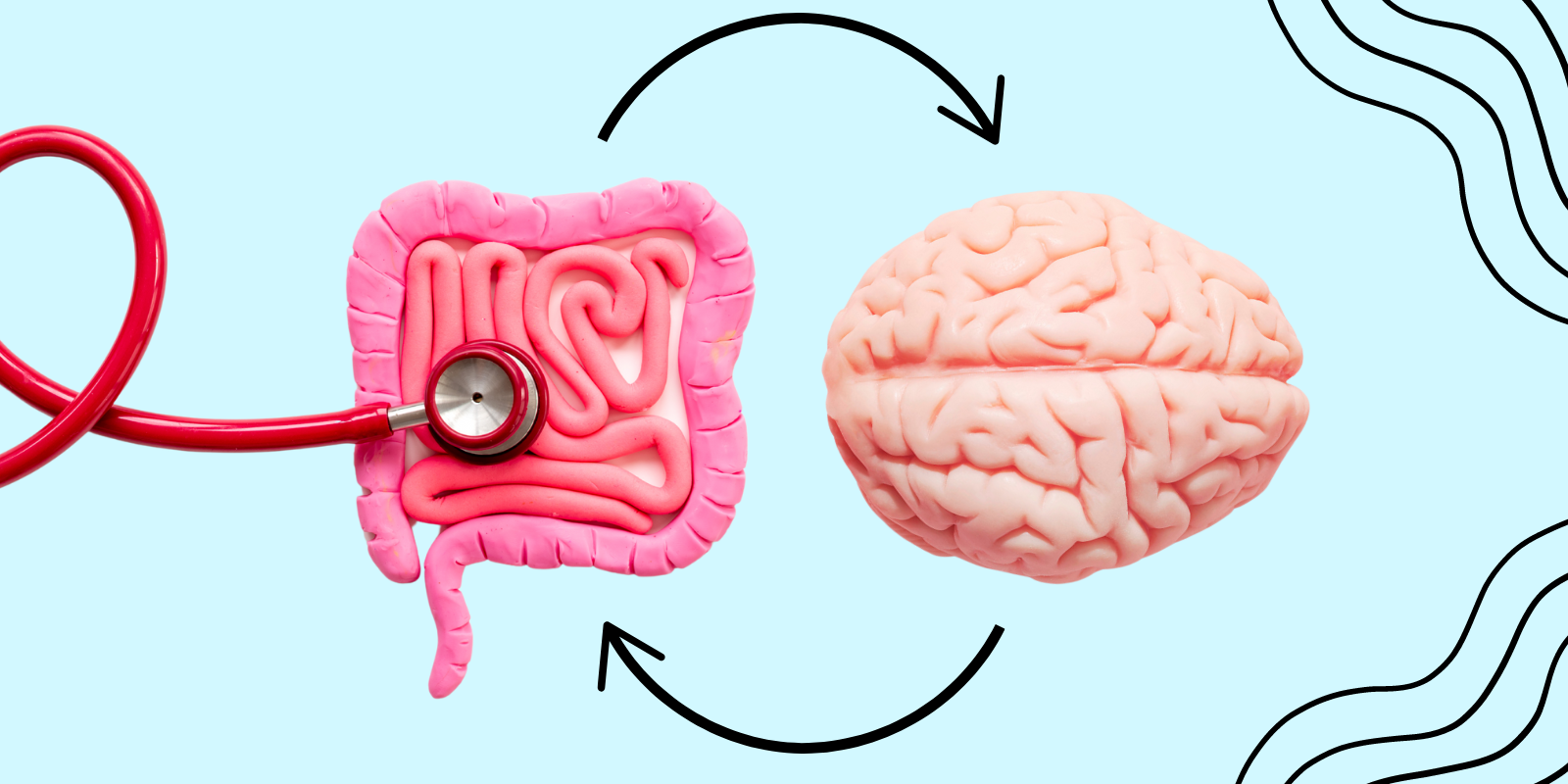
The gastrointestinal system, often called the “second brain,” contains approximately 100 million neurons that communicate directly with the central nervous system. This enteric nervous system operates independently while maintaining constant bidirectional communication with the brain via the vagus nerve, influencing mood, cognition, and overall health in profound ways.
At the core of gut health lies the microbiome—trillions of bacteria, viruses, and fungi residing primarily in the colon. These microorganisms perform essential functions including nutrient extraction, vitamin synthesis (particularly B vitamins and vitamin K), and immune system regulation. A balanced microbiome protects against pathogens, reduces inflammation, and even produces neurotransmitters like serotonin (95% of which originates in the gut).
Probiotics—live beneficial bacteria—can be obtained through fermented foods. Yogurt with active cultures, kefir, sauerkraut, kimchi, kombucha, and miso introduce diverse bacterial strains that support gut ecology. Different fermented foods offer distinct bacterial profiles, so variety matters more than quantity. Regular consumption helps maintain microbial diversity, which correlates with better health outcomes.
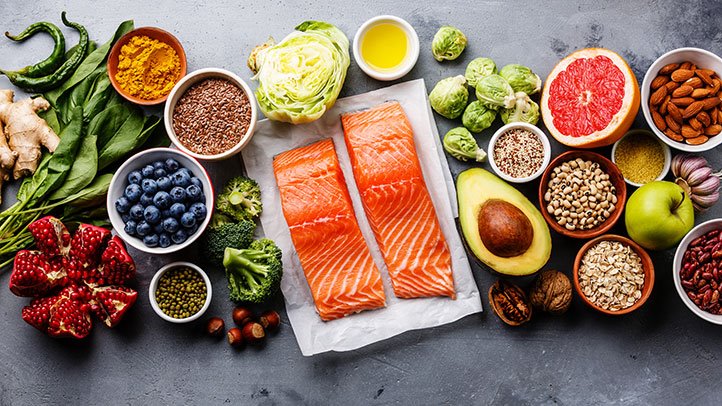
Prebiotics serve as food for beneficial bacteria. These non-digestible fibers found in garlic, onions, leeks, asparagus, bananas, oats, and apples ferment in the colon, producing short-chain fatty acids (SCFAs) like butyrate. SCFAs reduce inflammation, strengthen gut barrier function, and may protect against colorectal cancer. Aim for 25-30 grams of fiber daily from diverse plant sources to support prebiotic needs.
The gut-brain axis demonstrates how digestive health affects mental well-being. Research links imbalanced gut flora (dysbiosis) to anxiety, depression, and cognitive decline. Inflammatory molecules produced in the gut can cross the blood-brain barrier, affecting neurological function. Conversely, stress hormones alter gut permeability and microbial composition, creating a feedback loop.
Antibiotics, while sometimes necessary, significantly disrupt gut ecology. When prescribed antibiotics, increase probiotic and prebiotic consumption during and after treatment. Bone broth, rich in collagen and amino acids, can help repair gut lining damage. Omega-3 fatty acids from fish and flaxseeds also support gut barrier integrity.
Simple habits dramatically improve gut health: chewing food thoroughly reduces digestive burden, staying hydrated supports mucosal lining, managing stress through mindfulness practices, and establishing regular eating patterns. Listen to your body’s signals—bloating, gas, and irregularity often indicate microbial imbalances needing attention.
By nurturing our gut ecosystem, we support not only digestion but also immunity, mental health, and systemic inflammation control, truly honoring the gut’s role as our second brain.