
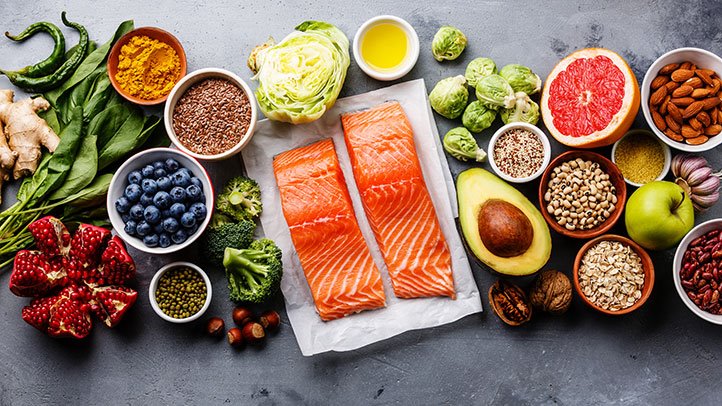
The Mediterranean diet has consistently ranked as one of the world’s healthiest eating patterns, backed by decades of scientific research demonstrating its benefits for heart health, cognitive function, and longevity. Unlike restrictive diets that focus on elimination, this approach emphasizes abundance—plenty of fruits, vegetables, whole grains, legumes, nuts, and olive oil, with moderate fish consumption and limited red meat.
At the heart of this dietary pattern is extra virgin olive oil, rich in monounsaturated fats and antioxidants that combat inflammation. Studies show that regular consumption can lower bad cholesterol (LDL) while maintaining good cholesterol (HDL), reducing cardiovascular disease risk by up to 30%. The diet’s emphasis on colorful vegetables provides a spectrum of phytonutrients that protect cells from damage and support immune function.
What makes the Mediterranean diet particularly sustainable is its cultural and social component. Meals are typically enjoyed slowly with others, promoting mindful eating and psychological well-being. The inclusion of moderate red wine with meals (for those who choose) provides resveratrol, an antioxidant linked to heart health and longevity.
Practical implementation doesn’t require exotic ingredients or complicated recipes. Start by increasing vegetable intake to fill half your plate, switching to whole grains, using olive oil instead of butter, eating fish twice weekly, and incorporating legumes as protein sources. Herbs and spices replace excess salt, enhancing flavor while providing additional health benefits.
The diet’s flexibility allows for regional variations while maintaining core principles. Research following populations in Greece, Italy, and Spain found that adherence correlated with reduced rates of Alzheimer’s, Parkinson’s, depression, and certain cancers. The combination of healthy fats, fiber, antioxidants, and lean proteins creates a synergistic effect that no single supplement can replicate.
For those seeking sustainable health improvements, the Mediterranean diet offers a time-tested template that nourishes both body and mind while supporting environmental sustainability through its plant-forward approach.